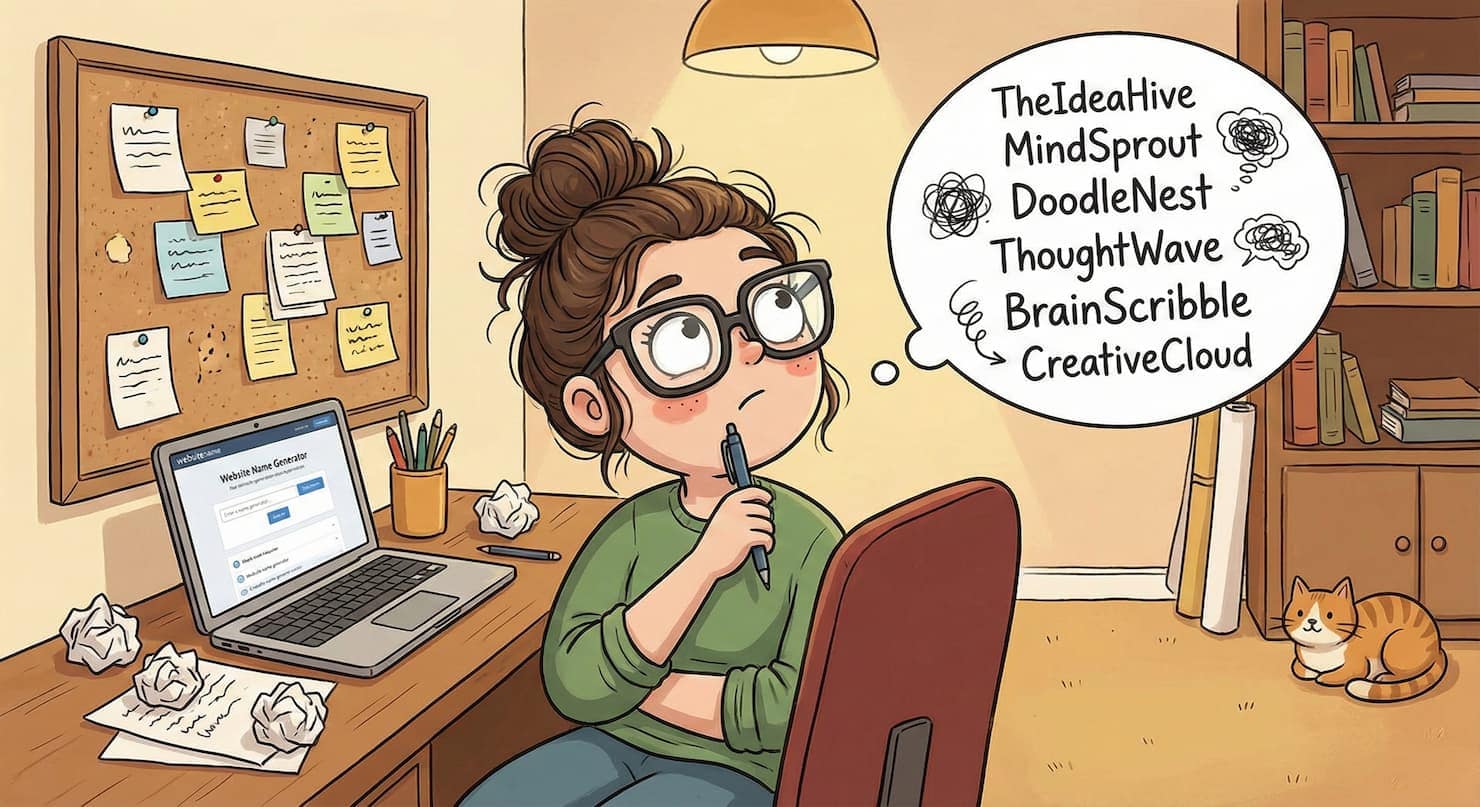
Figuring out how to name an online store feels like it should be simple. It’s just a name, right?
But then you sit down to actually choose one, and suddenly everything feels wrong. Too generic. Too weird. Already taken. Doesn’t look right when you type it out.
I’ve been through this process hundreds of times—not just for my own businesses, but while helping clients launch over 800 online stores. And I’ll tell you something that might ease your mind: the “perfect” name doesn’t exist. But a great name absolutely does, and finding it is more about following a practical process than waiting for inspiration to strike.
Let me walk you through the same approach I use with my clients.
Why Your Store Name Actually Matters
Before we get into the tips, let’s talk about why this decision deserves your attention.
Your store name is often the first thing potential customers encounter. It shapes their expectations before they see a single product. A strong name builds instant credibility. A weak one makes people hesitate.
Your name also affects practical things like whether customers can find you online, remember you later, and recommend you to friends. Try telling someone about a store with a name you can’t spell or pronounce—it doesn’t go well.
That said, your name isn’t everything. Plenty of successful businesses have names that break every “rule.” Amazon sells more than books. Apple has nothing to do with fruit. The name matters, but execution matters more.
With that balance in mind, here’s how to name an online store that works for you.
Tip 1: Keep It Short and Simple
When you’re learning how to name an online store, this is the most important rule: shorter is almost always better.
Short names are easier to remember, easier to type, easier to fit on a logo, and easier for customers to share with friends. They also look cleaner as domain names and social media handles.
Aim for one to three words maximum. If you can get it down to two syllables, even better.
Think about the brands you remember most easily. Nike. Apple. Zoom. Target. Shopify. None of them requires explanation or a second look to understand.
If you’re torn between a short option and a longer, more “descriptive” option, go short. You can always explain what you sell on your website. Your name doesn’t have to do all the work.
Tip 2: Make It Easy to Spell and Pronounce
This sounds obvious, but it trips up a lot of new store owners.
If someone hears your store name in conversation, can they spell it correctly on the first try? If they read it on a screen, can they say it out loud without stumbling?
Creative spellings might seem unique, but they create friction. Every time a customer misspells your name in a search bar, you risk losing them. Every time they mispronounce it, they feel slightly embarrassed—and that feeling gets associated with your brand.
Test your name ideas by saying them out loud to friends. Ask them to spell what they heard. If they get it wrong, that’s valuable information.
Tip 3: Check Domain and Social Media Availability Early
There’s nothing worse than falling in love with a name only to discover someone else already owns the .com domain.
Before you get attached to any name, check these things:
Domain availability: Is the .com available? If not, are reasonable alternatives like .co or .store available? You can check this on any domain registrar like Namecheap or GoDaddy.
Social media handles: Can you get @yourname on Instagram, TikTok, and Facebook? Consistency across platforms builds recognition and makes you easier to find.
Existing businesses: Do a Google search. Is anyone else using this name, especially in e-commerce or a related industry? You don’t want customer confusion or legal headaches down the road.
I’ve seen clients spend weeks debating a name, only to discover on day one of building their store that they can’t actually use it online. Do the availability check first. It saves time and heartache.
Tip 4: Think About Your Brand’s Future
When considering how to name an online store, think beyond your current product lineup.
Names that are too specific can box you in. If you call your store “Sarah’s Scented Candles” but later want to expand into home decor, your name suddenly feels limiting. Customers might not realize you sell anything beyond candles.
Choose a name that gives you room to grow. This doesn’t mean being vague—it means being strategic about what your name communicates.
Amazon started selling books, but chose a name that didn’t limit them to books. That decision gave them the flexibility to become the everything store.
You don’t need to plan world domination. Just ask yourself: if my product line evolves in 2-3 years, will this name still work?
Tip 5: Consider What Emotion You Want to Evoke
Great store names make people feel something, even if they can’t articulate why.
Think about the personality you want your brand to have. Is it playful? Sophisticated? Edgy? Cozy? Minimalist? Your name should hint at that personality.
Some approaches to consider:
Evocative names suggest a feeling or image without being literal. “Calm” for a meditation app. “Glow” for skincare. These names work because they connect emotionally with the product’s benefit.
Invented names like Shopify, Spotify, or Kodak feel modern and unique. They don’t mean anything on their own, but they’re memorable and distinctive.
Descriptive names tell customers exactly what you do. “The Container Store” leaves no mystery. This approach works well when clarity is more important than creativity.
Founder names can work if your personal story is central to your brand. They add authenticity and human connection, though they may feel less distinctive in crowded markets.
There’s no wrong approach—just make sure your choice aligns with how you want customers to perceive your brand.
Tip 6: Use a Name Generator for Inspiration (Not Final Answers)
When you’re stuck on how to name an online store, name generators can help break the mental block.
Tools like Shopify’s Business Name Generator, Namelix, or Namify let you enter keywords related to your business and spit out dozens of suggestions. Most won’t be right, but they can spark ideas you wouldn’t have considered.
Use generators as a brainstorming tool, not a decision-maker. Let them show you combinations and formats you might not have thought of, then take those sparks and refine them into something that truly fits your brand.
I’ve seen clients use generators to discover a word pairing they loved, then tweak it slightly to make it their own. The tool didn’t give them the final answer—it gave them a direction.
Tip 7: Say It Out Loud (A Lot)
Names look different on paper than they sound in conversation.
Once you have a shortlist of names you’re considering, spend a few days saying them out loud. Imagine answering the phone with your store name. Imagine telling a stranger at a party what your business is called. Imagine a customer recommending you to a friend.
Does it roll off the tongue? Does it sound professional? Does it feel like you?
Also, check for unintended sounds. When you say the name quickly, do the words blend into something awkward? This happens more often than you’d think. Say your candidates fast, slow, and in different contexts.
If you feel slightly embarrassed saying a name out loud, that’s a sign. You’ll be saying this name thousands of times over the years. It should feel natural.
Tip 8: Get Feedback (But Don’t Let It Paralyze You)
Other people’s perspectives can help you catch blind spots.
Share your top 3-5 name candidates with a few trusted people—friends, family members, potential customers, if you can find them. Ask specific questions:
- What does this name make you think of?
- Is it easy to spell after hearing it once?
- Does it sound like a brand you’d trust?
- Does anything about it feel off?
Listen to the feedback, but remember that you’re the one building this business. If nine people love a name and one person doesn’t, that one opinion isn’t necessarily more valid. And if you love a name that others are lukewarm on, your passion might be telling you something important.
Feedback helps you refine. It shouldn’t replace your own judgment.
Tip 9: Check for Unintended Meanings
This is a quick but important step when figuring out how to name an online store.
Search your name candidates to make sure they don’t have meanings you didn’t intend—especially in other languages or cultures. A name that sounds great in English might translate to something unfortunate elsewhere.
Also, check for negative associations. Does your name sound like a word with bad connotations? Does it remind people of a company with a poor reputation? Is it accidentally similar to something inappropriate?
These issues are easier to avoid before launch than to fix afterward. A five-minute search can save you significant embarrassment.
Tip 10: Make a Decision and Move Forward
Here’s the truth about how to name an online store: at some point, you have to stop deliberating and pick one.
I’ve watched people spend months agonizing over names while their competitors launched and started making sales. The name matters, but not more than actually starting your business.
Set a deadline for yourself. Maybe it’s one week. Maybe it’s two. By that date, you choose from your shortlist and move on.
Your name doesn’t need to be perfect. It needs to be good enough to represent your brand while you build something great. Many successful businesses have rebranded after gaining traction—it’s not ideal, but it’s possible. What’s not possible is building a successful store without ever launching it.
Done is better than perfect. Pick a name that meets the criteria we’ve discussed, and then pour your energy into creating an amazing customer experience. That’s what really builds a brand.
A Quick Checklist Before You Finalize
Before you commit to your name, run through this checklist:
- Is it short and simple (1-3 words)?
- Is it easy to spell after hearing it once?
- Is it easy to pronounce after reading it once?
- Is the .com domain available (or a reasonable alternative)?
- Are social media handles available?
- Does it give you room to grow beyond your current products?
- Does it evoke the right emotion for your brand?
- Have you said it out loud multiple times?
- Have you checked for unintended meanings?
- Are you comfortable saying this name for years to come?
If you can check most of these boxes, you’ve found a solid name. Commit to it and start building.
Your Next Steps
You now have a clear process for how to name an online store. The next move is yours.
Here’s what I’d suggest:
- Set aside 30 minutes for brainstorming this week
- Generate 15-20 name ideas using the approaches above
- Run your favorites through the checklist
- Check the domain and social availability for your top 5
- Get feedback from 2-3 trusted people
- Pick your winner and register that domain
Your store name is the first step in building something you’re proud of. It’s worth thoughtful consideration—but not endless deliberation. Find a name that feels right, claim it, and move forward.
The real work of building your brand starts after you’ve made this decision. And that’s the exciting part.
Related Articles:
- What to Sell on Shopify in 2025: 9 Proven Methods to Find Profitable Products — Decide what to sell before you name your store
- How to Start a Shopify Store: A 10-Step Beginner’s Guide — Ready to build? Here’s your complete walkthrough
- [How to Design a Logo for Your Store (With a $0 Budget)] — Create a professional logo that matches your new name
With 14+ years in ecommerce and over 800 stores built, I’ve helped countless entrepreneurs find the right name for their brand. Have questions about naming your store? Drop a comment below.